
The paperless factory – part 1: why is paper so persistent?
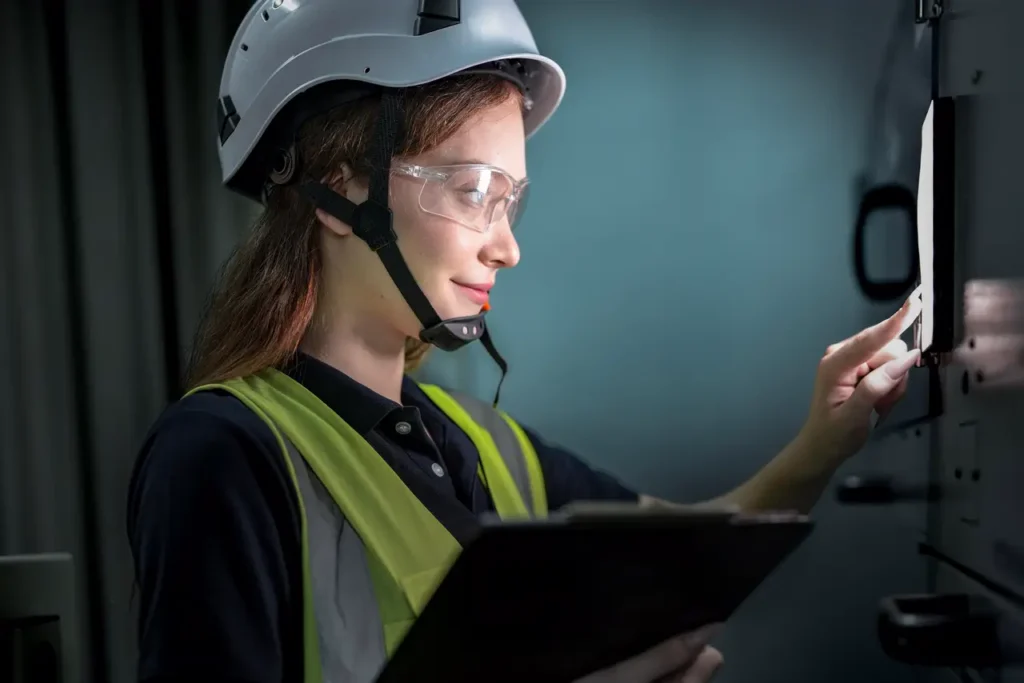
“We have a modern ERP system, but on the shop floor they are still walking around with piles of paper.” You hear it more often than you might think.
Earlier this week, I visited a prospect that has a modern cloud ERP solution. Purchasing, sales, production and finance are all well organised. Management can access information anytime, anywhere, allowing them to make informed decisions based on up-to-date data.
But then you walk onto the shop floor… Paper. Everywhere. Paper work orders, together with folders full of manuals and drawings. The front page is used to write down hours worked and materials used. And then, on Monday morning, someone manually enters all that information into the system. How up to date is your management information then? And that was exactly why they invited SPS.
So why are companies still working with paper in 2026?
One of the reasons, I believe, is quite simple: people on the shop floor need information too. Someone working in purchasing already has a PC in front of them, so using the ERP system is obvious. On the shop floor, things are different. And for many years, paper has been the easiest solution.
Then comes the classic answer: “We’ve been doing it this way for years.” But the world has changed, and your factory has changed with it. Customers expect shorter lead times. They want more product variations and more flexibility. So that nicely printed production order from this morning may already be outdated by this afternoon because the planning has changed.
Resistance to change
Another thing I see regularly is resistance to change. Suddenly, paper seems so incredibly flexible that you almost start believing the people on the shop floor are right. But don’t be fooled. Many people experience digitalisation as a form of control. Others say they are simply “not good with computers”. But let’s be realistic: almost everyone has a smartphone, and almost everyone orders things online. So it is usually not about whether people can work digitally. It is about getting used to a different way of working.
That combination makes paper surprisingly persistent – and understandably so. That is why change management deserves serious attention when digitalising the shop floor. Because in the end – and I speak from experience – after just a few days, most operators will say: “Actually… this is pretty easy!”
Continue with part 2: what does one lost work order really cost?
Stay in the loop.
A few times a year: new features, go-lives and stories from the shop floor. No spam, unsubscribe at any time.
